Healthy Soil,
Healthy Future
Beyond Composting
Across the U.S., state and local jurisdictions have in recent years implemented numerous programs that divert organics and food waste from landfills, in an effort to control methane emissions that occur when these materials decompose.
Many of these programs lean on legacy composting facilities as food waste processing workhorses. The problem? Our nation's compost processing system was not designed to handle the scale, packaging intensity, and complexity of today's food system.
As commercial diversion expands, many jurisdictions are asking compost systems to absorb packaged, mixed commercial food streams which contain significant contaminants — creating a tension between recovery targets and finished-product quality. Unfortunately, this strain on composting facilities is in some cases leading to microplastics contaminating commercial compost products, posing a significant risk to public health when these compost products are applied to soil.
Luckily, composting is not the only solution for food and crop waste handling. Each year, more municipalities, farms and corporations are turning to dedicated food waste handlers who use mechanical food waste separation and anaerobic digestion (AD) to both process waste and produce renewable natural gas — a low-carbon, emerging replacement for fossil fuels.
The Clean Soil Coalition was established to advocate for two-headed solutions that utilize both legacy composting systems and more innovative pathways that utilize mechanical separation and AD.
The Problem
Unfit-for-Purpose Policy — Some organics diversion programs include source separation restrictions that require hand-sorting designed to protect legacy composting systems, leading in some cases to microplastic contamination in compost products.
Health risks — Inconsistent oversight around compost and soil amendments are exposing public parks, gardens, and farmland to products that contain plastics, metal, and glass. These contaminants have potential to create health risks if they contact our food supply chain or critical water resources.
Why It's Happening
We must keep organic material out of landfills, where it can generate significant amounts of methane, a harmful greenhouse gas that contributes to global warming.
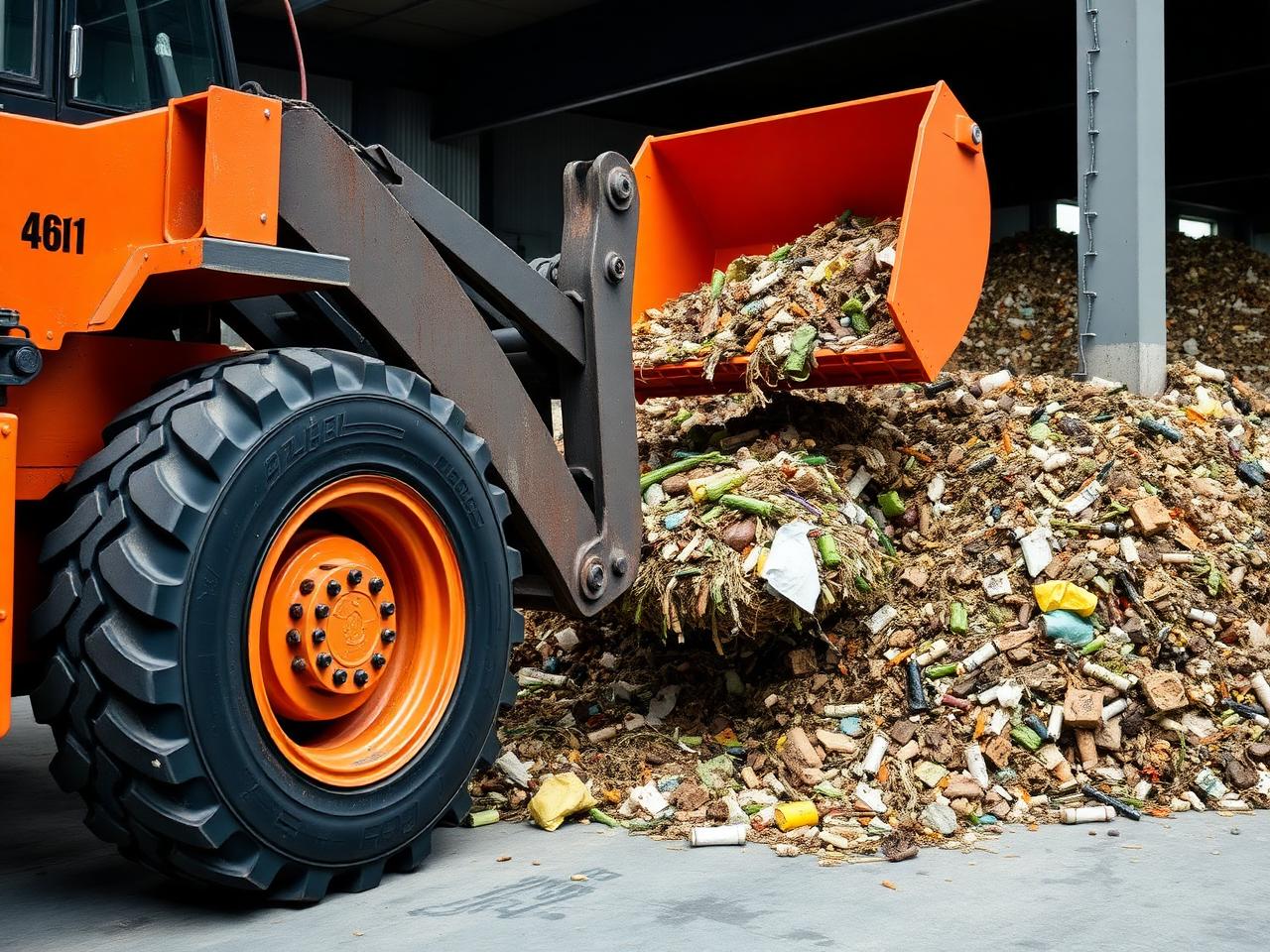
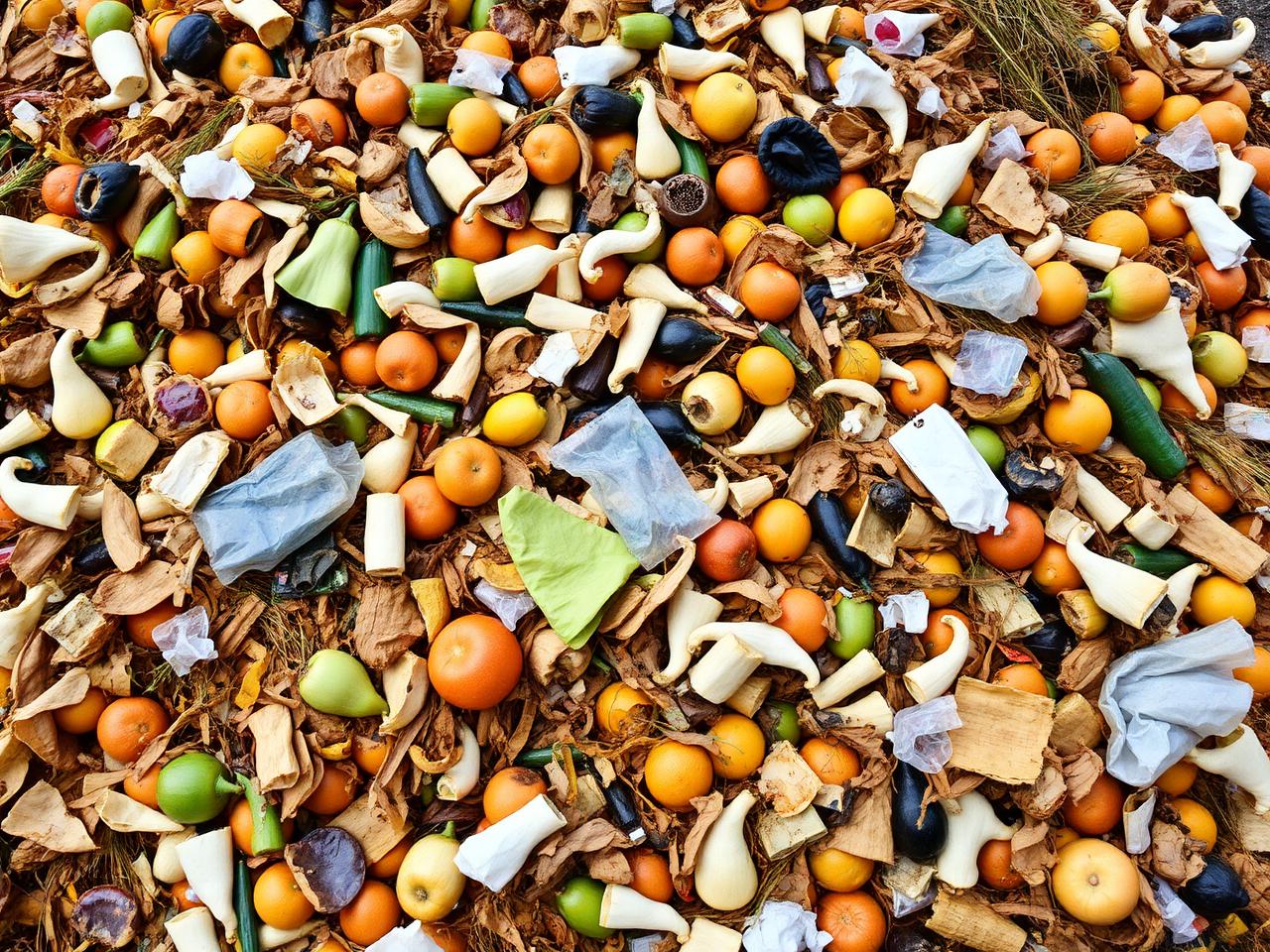
Recent legislation in states like Washington (HB 1799 and HB 2301) ensures that organic material is diverted from landfills — increasing the amount of organic waste available to make compost and soil amendment products. While having more organic waste for soil enrichment is a good thing, some compost producers are processing more diverted organic material without having adequate infrastructure in place to remove common material found in organic waste disposal, such as plastic packaging, glass, and metal.
There is a natural cap on how much food material composting facilities can accept at any given time to maintain the careful balance of moisture, oxygen, and nutrients needed to produce healthy compost. It is critical that policymakers understand the limitation of the legacy composting system and embrace more innovative solutions more capable of safely processing the considerable amount of plastic and other materials included in modern commercial food waste streams.
How widespread is this problem?
As legacy composters handle increasing volumes of organic waste, overburdened facilities are straining to meet contamination standards — and the public is taking notice.
A Better Way
Higher diversion rates achieved through lenient contamination standards directly result in the continued distribution of microplastics onto land through finished compost and soil amendment products.
The Clean Soil Coalition advocates for expanding food waste diversion programs to support
- Stricter, outcome-based contamination limits
- Facilities capable of handling difficult-to-process food that remains embedded in packaging.
- Allowance of advanced depackaging and anaerobic digestion solutions
Many food companies (including retailers that send food products back to their distribution centers) rely on Clean Soil Coalition members like Divert to remove packaging that comes in direct contact with food so that food material is not unnecessarily lost to the landfill. Divert facilities permit unpackaged food products, along with packaging that's in direct contact with food (such as liquids and semi-soft solids). Divert's advanced depackaging equipment efficiently removes and disposes non-recyclable packaging from recovered food material. This type of system works throughout the United States, Europe, and beyond.
This process ensures that food product nutrients are maximized to their fullest extent. Food is converted into digestate soil amendment that passes rigid physical contaminant and pathogen testing, while retaining the nutrient value for the composters the product is donated to. Food is also converted to organic nitrogen fertilizer that is sold into the agricultural marketplace. Remaining food nutrients become carbon negative renewable natural gas (RNG), replacing conventional fossil fuel gas extracted from geologic sources. This gas enters a utility network that serves hard-to-electrify industries.
The science on this solution is clear. A 2023 U.S. EPA report examined the most preferred pathways for wasted food. Anaerobic Digestion was rated as more beneficial than Composting in nearly every environmental impact considered in the report's Life Cycle Assessment.
View the Action Plan| Impact Category | Median impact/ metric ton FLW | Source Reduction | Donation | AD | Animal Feed | Compost | Controlled Combustion / Incineration | Landfill | Upcycling |
|---|---|---|---|---|---|---|---|---|---|
| GWP | kg CO₂eq | -3,300 | -570 | -110 | -210 | 53 | 14 | 510 | -450 |
| Energy Demand | MJ | -24,000 | -17,000 | -7,000 | n.d. | 470 | -940 | 120 | -8,200 |
| Acidification | kg SO₂eq | -35 | -57 | 5.5E-2 | -1.3 | 0.76 | 0.067 | 0.24 | -0.76 |
| Eutrophication | kg Neq | -21 | -2.3 | 0.087 | 0.15 | 0.32 | 0.029 | 0.022 | -0.3 |
| Water Consumption | m³ water | -210 | -230 | -0.4 | n.d. | 91 | -67 | -1.8 | -1.8 |
| Land Occupation | m²·yr | -4,400 | n.d. | 0.6 | n.d. | 0.27 | -0.04 | 2.3 | n.d. |
| Impact Category | Median impact/ metric ton FLW | Source Reduction | Donation | AD | Animal Feed | Compost | Controlled Combustion / Incineration | Landfill | Upcycling |
|---|---|---|---|---|---|---|---|---|---|
| GWP | kg CO₂eq | -3,300 | -570 | -110 | -210 | 53 | 14 | 510 | -450 |
| Energy Demand | MJ | -24,000 | -17,000 | -7,000 | n.d. | 470 | -940 | 120 | -8,200 |
| Acidification | kg SO₂eq | -35 | -57 | 5.5E-2 | -1.3 | 0.76 | 0.067 | 0.24 | -0.76 |
| Eutrophication | kg Neq | -21 | -2.3 | 0.087 | 0.15 | 0.32 | 0.029 | 0.022 | -0.3 |
| Water Consumption | m³ water | -210 | -230 | -0.4 | n.d. | 91 | -67 | -1.8 | -1.8 |
| Land Occupation | m²·yr | -4,400 | n.d. | 0.6 | n.d. | 0.27 | -0.04 | 2.3 | n.d. |